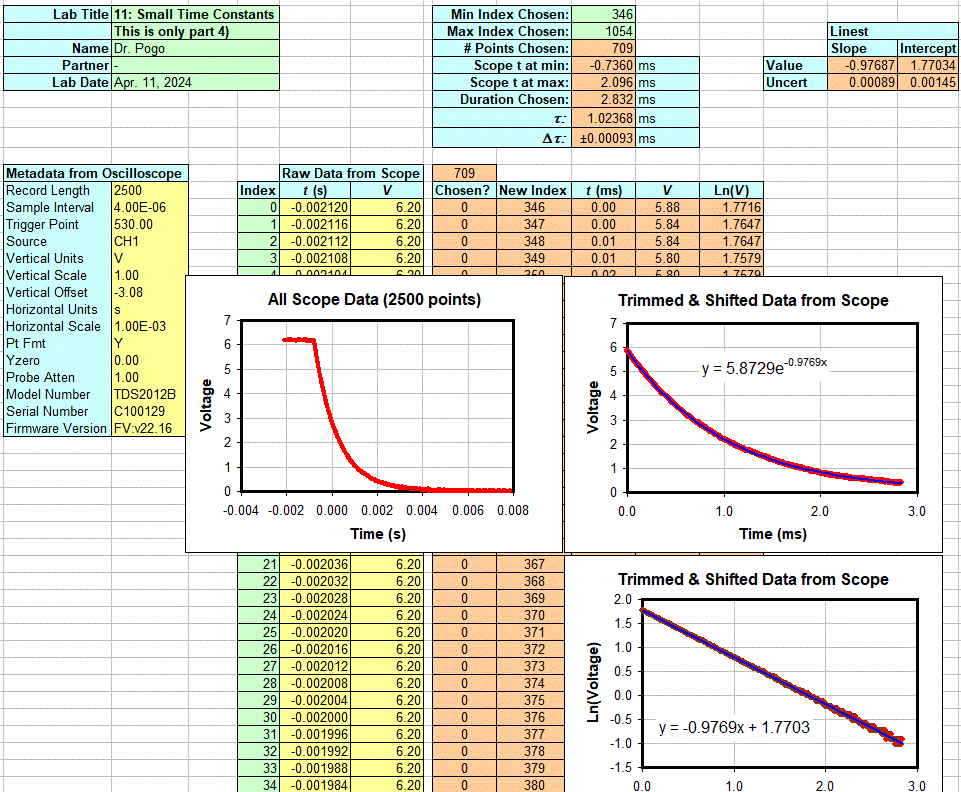
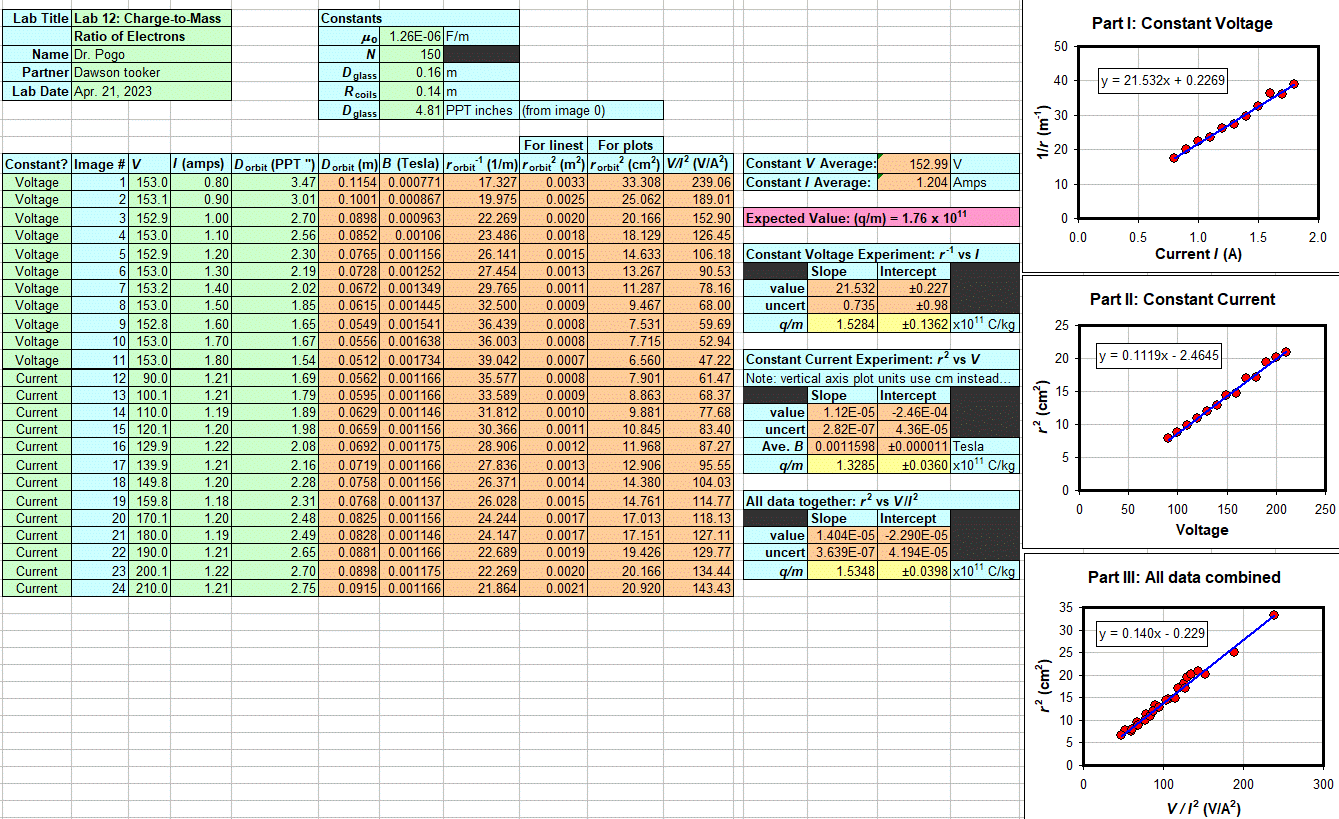
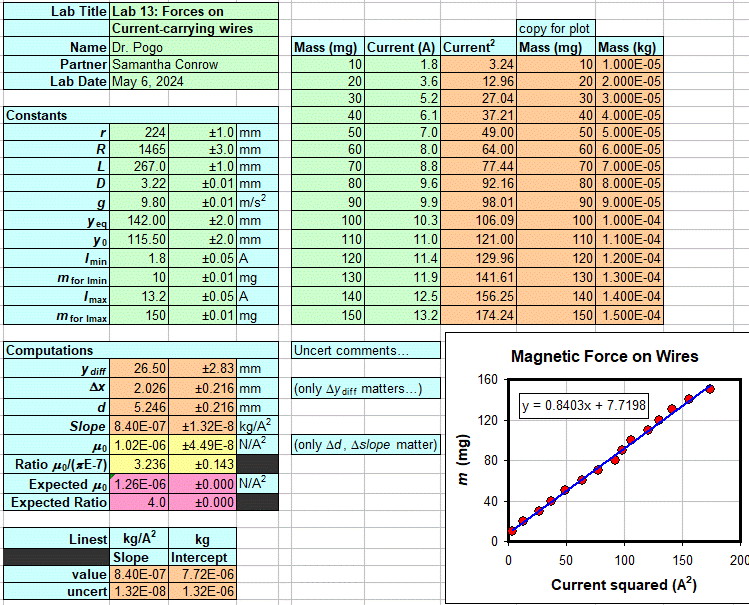
-
-
What am I doing here?
In this lab, we will be doing experiments to learn about
electricity, magnetism, waves, and light. In addition to
understanding the underlying physics of each experiment, we also
want you to become familiar with some of the methods and
equipment used for scientific investigation of these phenomena.
Also, as a continuation of your progress in Analytical Physics I
Lab, you should become more accustomed to the limitations and
uncertainties associated with scientific measurement. Finally, you
should continue to develop your written communication skills so that
you can present your work in a clear, orderly, and understandable
way in both text form and in spreadsheets.
|
-
|
- Part
of the intent of laboratory is that it is “discovery based leaning”.
Learning will sometimes include trial and error, and you will not
always know what the results will be ahead of time. You should take
advantage of this opportunity to investigate, instead of
merely going through the steps in the lab manual.
|
- How
will I be graded?
As with Analyt I Lab, your grade is relatively independent of how
well your lab results match the “predicted” results. Instead, your
grade will be determined by:
| |
Lab Quizzes (weekly): |
25% |
|
| |
Weekly Assignments
(abstracts, worksheets): |
55% |
|
| |
Lab Notebook: |
10% |
|
| |
Participation (e.g.,
tardiness, effort, neatness) |
10% |
|
| |
|
100% |
|
|
|
- Is
there really a quiz every week?
Sort of. The quizzes are actually take-home assignments that
are due at the beginning of each lab. They are intended to insure
that you have already read and understood the appropriate
sections of the lab manual before coming to lab.
|
- What’s an abstract?
An abstract is a short prose summary of the most relevant aspects of
an experiment, written to someone who wasn’t there. Grades are be
based on whether you include the appropriate material, whether you
can express yourself clearly and succinctly, and whether you use
correct grammar and correct spelling.
-
- Although the experiments will be performed with
partners, each student must submit unique assignments (abstracts,
worksheets, spreadsheets, etc.) Materials are always due at the
beginning of each lab session. Late work will lose 10% per day.
Lab reports handed in more than one week late will not be
accepted (but please contact me if you have an emergency
situation).
-
- What goes into a lab notebook?
There’s a list of things in the lab manual. Also, the lab manual
sometimes asks you to answer questions in your logbook. It is
expected that your answers will always stand alone (i.e., they will
make sense to someone who has not even read the question). Answers
must be grammatically correct English sentences, not scraps or
isolated words. Note that most of those questions require you to
show some math to support your answer; they are not supposed to be
guesses!
-
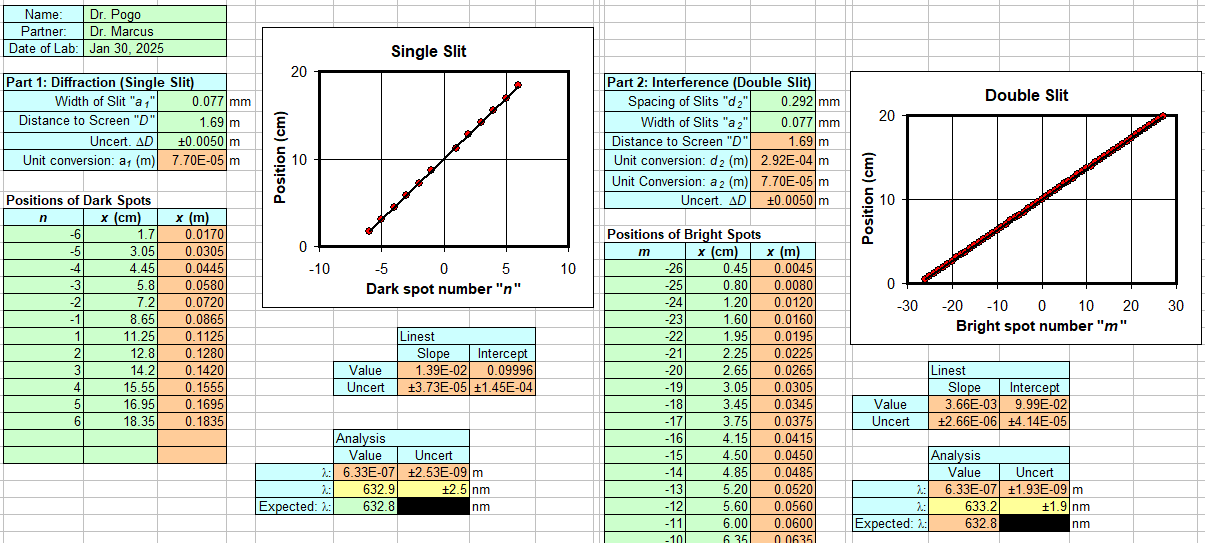
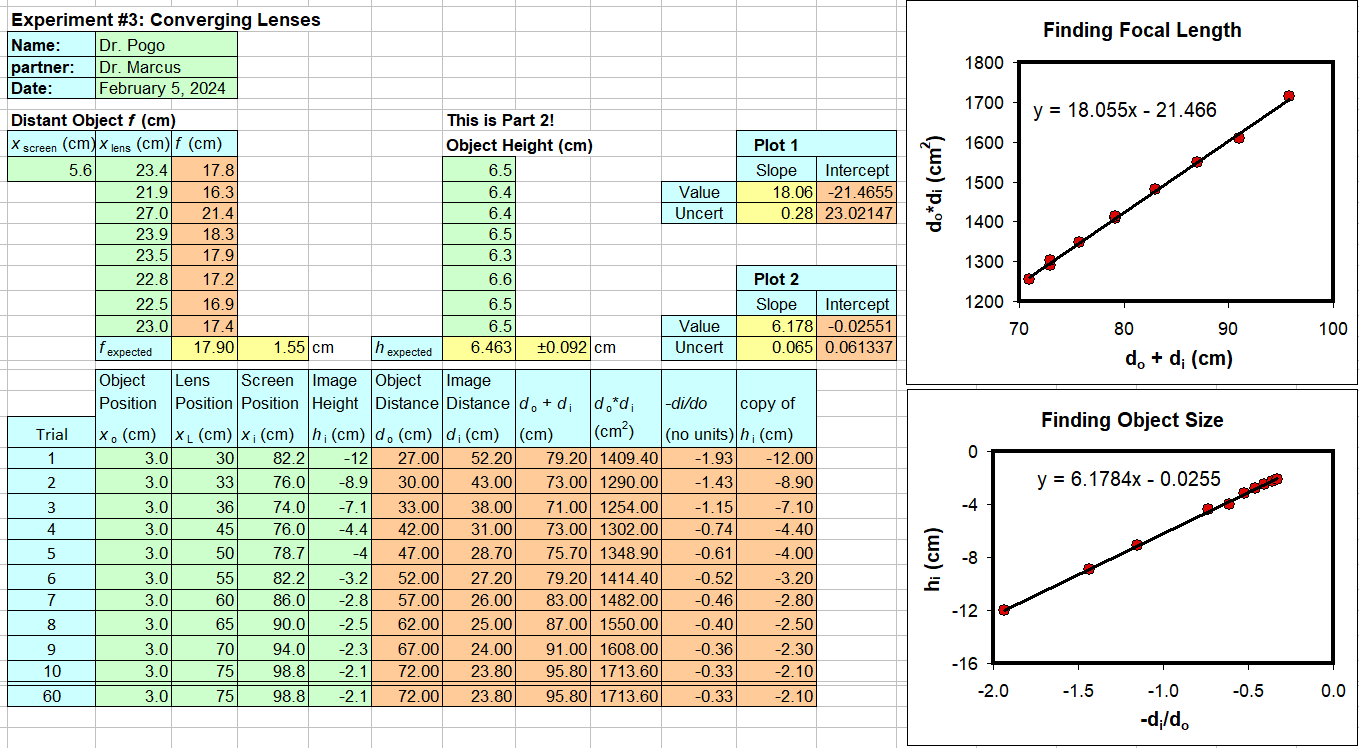
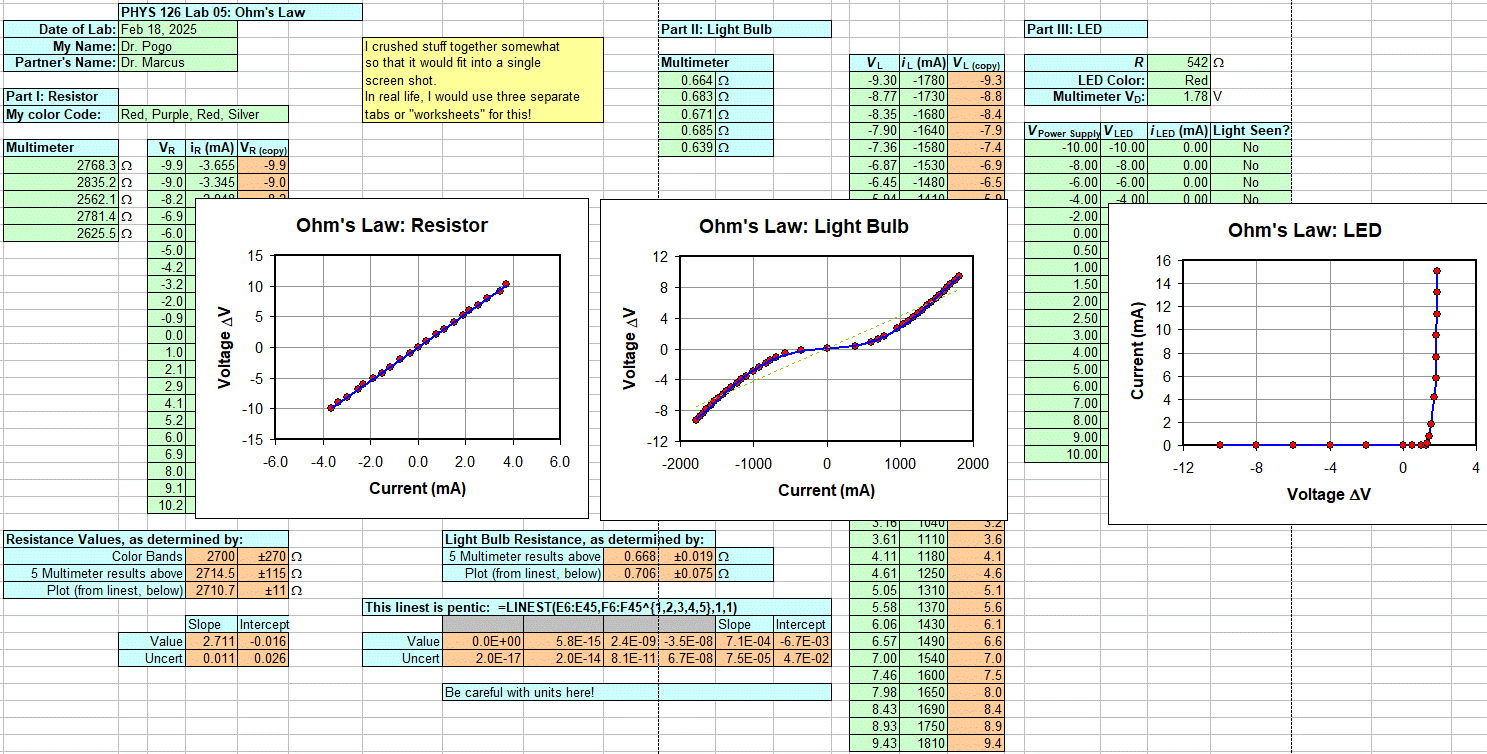
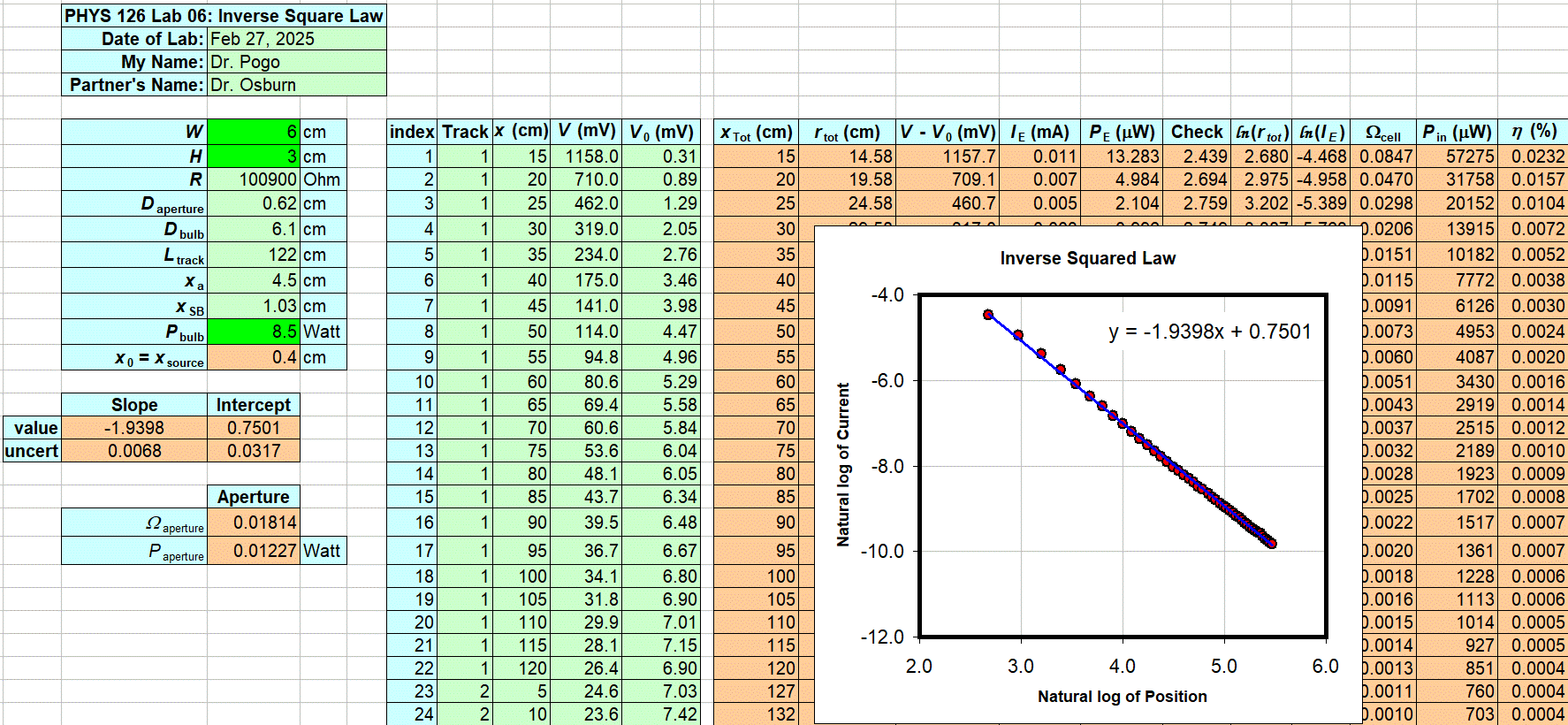
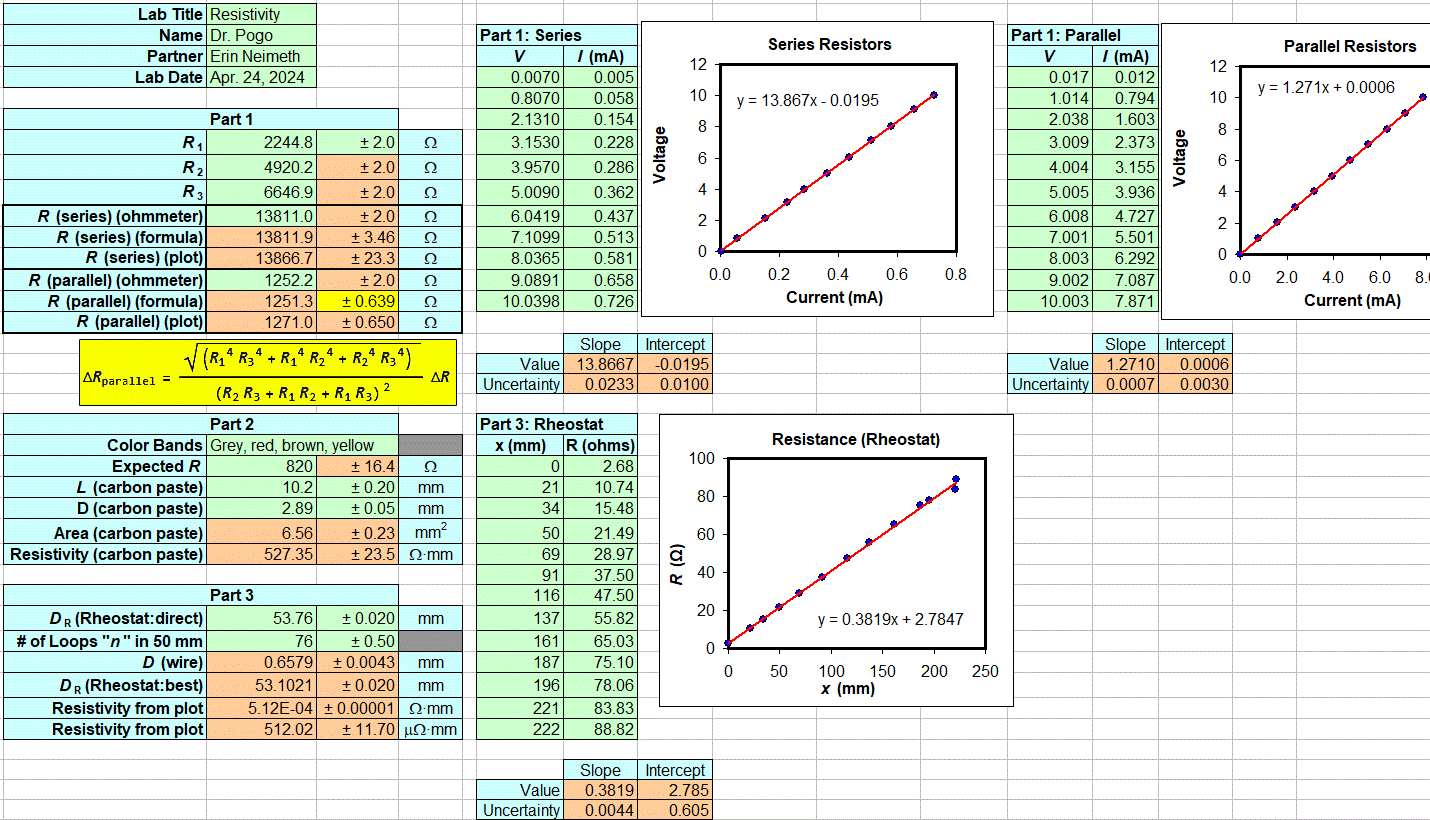
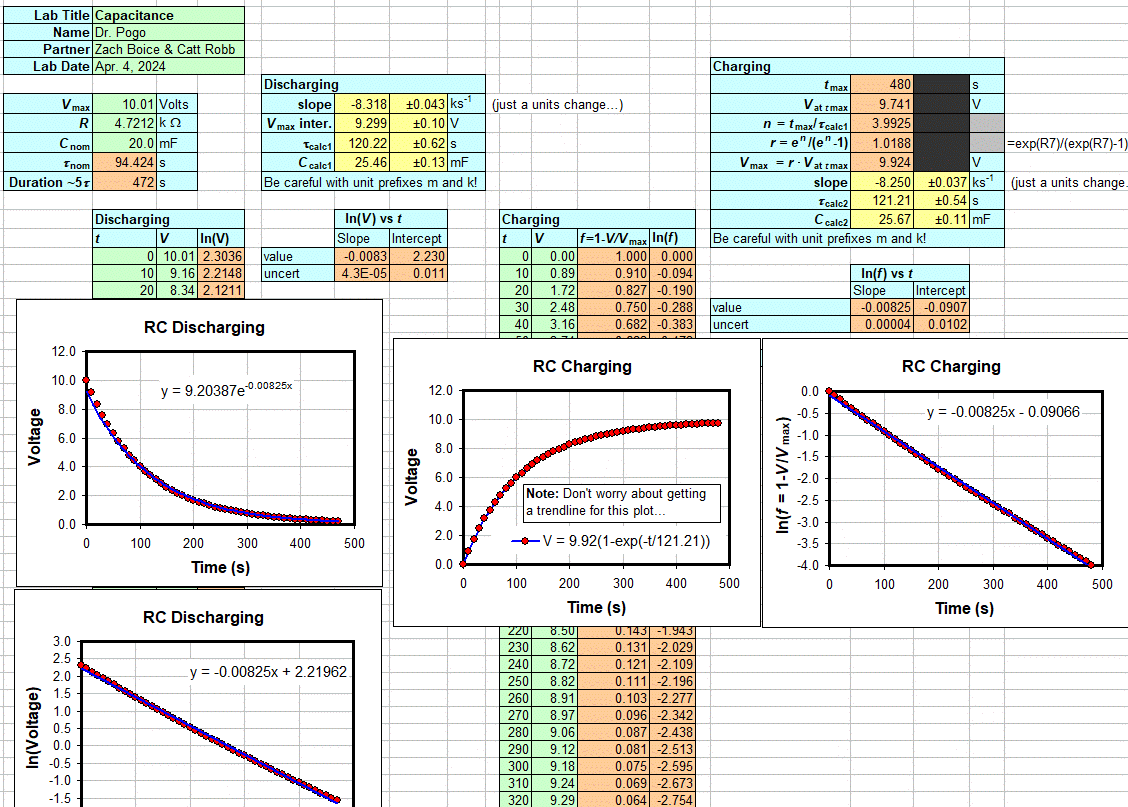
You may tape documents (quizzes, abstracts, Excel plots) into
your notebook. Attached items may not have any loose edges. They may
not extend beyond the edge of the notebook pages. They may not be
sideways. No printed character may be smaller than 2 mm. No printed
character may be on a dark background. You may need to actually
learn more about printing than merely pressing a “print” button!
|
- Schedule
-
- Every week, you will have at least 3 things due.
Sometimes, you will have 5:
-
· a paper take-home pre-lab
assignment/quiz (due at the beginning of lab).
-
· a paper worksheet from
the previous week’s lab.
-
· an electronic copy of
your Excel document from the previous week’s lab, submitted
via a Google Form (see
link above).
-
▪
(four times per semester): a paper abstract describing
the previous week’s experiment.
-
▪
(Occasional): an unannounced in-class review of your logbook so far.
|
|
College Policies and resources that are not
specific to this course:
https://bulletin.geneseo.edu/content.php?catoid=22&navoid=958
https://sunygeneseo.sharepoint.com/sites/provost/sitepages/syllabus%20resources%20related%20to%20student%20success/syllabus-resources-related-to-student-success.aspx?web=1
|